Clear Warning Signs Can Show When Repairs Are No Longer Enough
If your deck has wide rot, soft boards, loose railings, shifting posts, or deep structural damage, it may need full deck replacement instead of another small repair. A few worn boards can often be fixed. But when damage keeps showing up in many areas, the deck may no longer be safe. Homeowners in Hudson Falls, NY should pay close attention if the deck feels weak, bouncy, or unstable during normal use.
Quick Diagnosis Summary
The biggest sign that a deck needs full replacement is damage that affects strength, not just looks. A faded surface or chipped stain is one thing. A frame with rot, insect damage, or failing footings is very different. If the support system is weak, patchwork repairs may only hide a larger problem for a short time. In many cases, replacing the full structure is the safer long-term choice.
Common Symptoms
Most failing decks show warning signs before they become unsafe. Some signs are easy to spot. Others show up when you walk across the surface or lean on the railing. If several of these problems happen at the same time, full deck replacement may make more sense than repeated repairs.
- Boards feel soft, spongy, or weak underfoot
- Railings wobble when touched
- Stairs shift or creak more than before
- Posts lean or look out of line
- Fasteners are rusted, loose, or pulling out
- Large cracks split through boards or support parts
- Rot keeps coming back after repairs
- The deck pulls away from the house
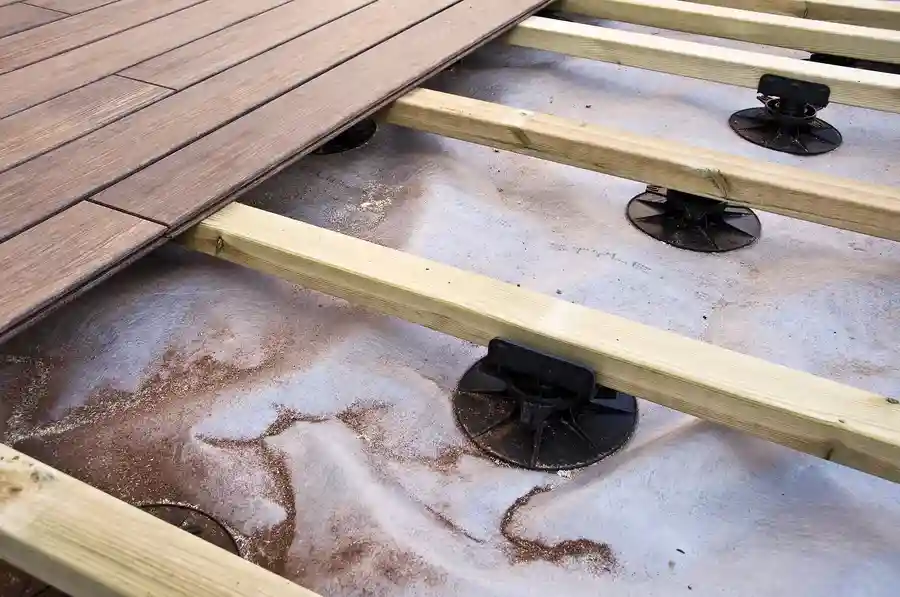
A deck may also have hidden trouble below the surface. The top boards can still look decent while the frame underneath is failing. That is why surface appearance alone does not tell the full story.
Likely Causes
Decks wear out for many reasons. Water is one of the most common. When moisture gets trapped in wood year after year, rot can spread into boards, joists, beams, and posts. Poor drainage can speed this up. So can clogged gaps between boards and soil piled too close to the base.
Age also matters. Older decks may have been built with methods that do not match modern safety standards. Some have undersized framing, weak connectors, or railing systems that are no longer secure. Termites and other pests can also eat away at support parts. In some cases, years of small repairs create a deck with mixed materials and uneven strength.
If the deck was part of a larger outdoor build or another service category tied to exterior work, hidden wear may spread from nearby features too. This is one reason a full inspection matters before choosing a repair plan.
What to Check First
Start with the parts that carry weight. Look under the deck if you can do so safely. Check beams, joists, posts, stairs, and the area where the deck connects to the home. Look for rot, movement, major splits, and rusted hardware. Then test the railings with light pressure. They should feel firm, not shaky.
- Walk the full deck and note soft or springy areas
- Look for dark stains, rot, or mold on framing
- Check whether boards sit flat or lift at the edges
- Inspect fasteners for rust or pull-out
- Watch for leaning posts or uneven stair movement
- Look at the ledger area where the deck meets the house
If you find one isolated problem, repair may still work. If you find the same issue in several spots, the structure may be near the end of its life.
Safe Fixes Vs Pro-Level Fixes
Some deck issues are minor enough for simple repairs. A few loose boards, worn stain, or one damaged step may not call for full deck replacement. Replacing surface boards can help when the frame below is still solid. Tightening a few connectors may also help in limited cases.
But deeper structural problems need trained eyes and proper repair methods. Rot in beams or posts is not a small fix. Neither is a deck that has begun pulling away from the home. Weak footings, widespread insect damage, and major movement in the frame often point to full replacement. These jobs affect safety and should not be guessed at.
Prevention Tips
While no deck lasts forever, good care can help it last longer. Keep water moving away from the structure. Clean debris from gaps between boards. Watch for early signs of rot and rust. Reseal wood when needed. Trim plants back so air can move around the frame.
It also helps to inspect the deck at least once a year. Check after storms, long wet seasons, or heavy winter weather. Catching small issues early may help delay major damage. Still, if the main supports are already failing, maintenance will not reverse that wear.
Final Recommendation
If your deck shows widespread rot, movement, weak railings, or failing supports, a professional inspection is the next smart step. In Hudson Falls, NY, weather and moisture can wear down outdoor structures over time. At CR Builders & Remodeling, we help property owners figure out if repair is still a safe option or if full deck replacement is the better path. Call us at (518) 321-8416 to set up a visit and get clear next steps for your deck.