A Simple Plan for a Smoother Project
To plan a home renovation step by step, start with clear goals, set a real budget, make a room-by-room list, and decide what needs to happen first. Then gather ideas, check permits, hire the right help, and build a timeline that leaves room for delays. A good plan helps you avoid stress, wasted money, and jobs that need to be redone later.
What You Need Before Starting
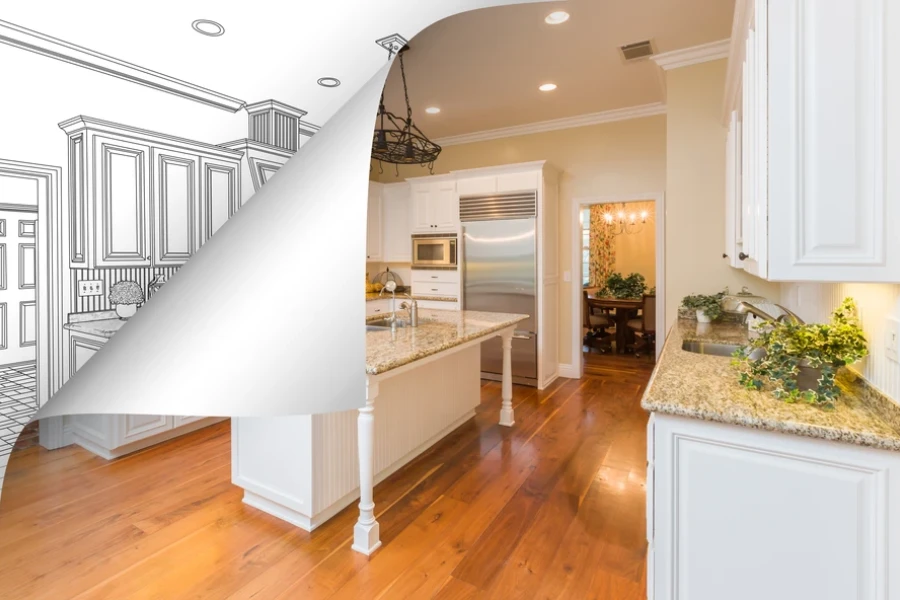
Before any home renovation begins, it helps to get organized. Start by asking what you want to fix, change, or add. Some people want more space. Others want better storage, safer floors, or a kitchen that works better for daily life. Write down your needs first. Then list your wants.
You should also know your spending limit before you call anyone. Pick a budget range that feels safe for your home and your income. Keep extra money set aside for surprises. Older homes often hide water damage, old wiring, or uneven framing behind walls.
This is also a good time to gather photos, sketches, and product ideas. Save paint colors, flooring types, cabinet styles, and lighting ideas in one place. If your project falls under a service category, note that too, even if your plans are still broad right now.
Step-by-Step Process
A simple step-by-step plan can keep your home renovation moving in the right order. Here is a clear way to do it:
- Set your main goal. Decide what problem the project should solve.
- List every room or area involved. This keeps the job from growing too fast.
- Make a budget. Include labor, materials, permits, cleanup, and a backup fund.
- Choose your must-haves. These are the items you will not cut.
- Choose your nice-to-haves. These can wait if costs rise.
- Measure the space. Double-check walls, doors, windows, and ceiling height.
- Collect design ideas. Pick finishes that fit your budget and your home’s style.
- Learn permit rules. Some jobs need approval before work starts.
- Talk to contractors or specialists. Ask what order the work should happen in.
- Build a timeline. Plan for delivery dates, inspections, and possible delays.
- Order materials early. Items like tile, cabinets, and windows may take time.
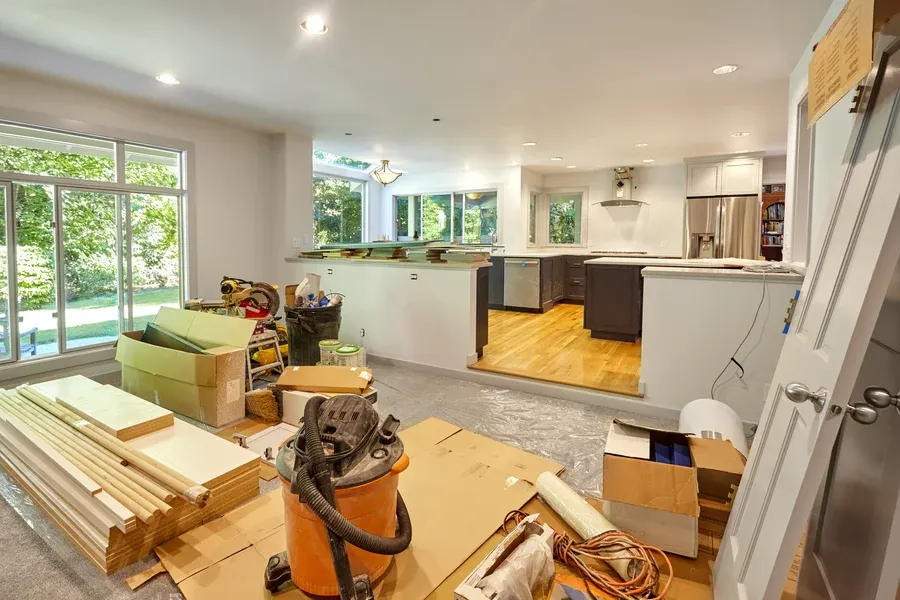
- Prepare your home. Move furniture, protect floors, and set up a clean work path.
This process works for small updates and bigger remodels. If you are changing more than one room, think about how one area affects another. For example, if you redo the kitchen and floors at the same time, plan the floor install after large cabinets and rough work are done.
Common Mistakes to Avoid
Many home renovation problems begin with rushed choices. One common mistake is starting demolition before the full plan is ready. That can lead to delays, change orders, and extra costs. It is much better to know your layout, materials, and budget before the first wall comes down.
Another mistake is picking the cheapest option without checking quality. Low-cost materials may wear out fast. Cheap labor can also create bigger repair bills later. A low quote does not always mean a better deal.
Some people also forget about daily life during the project. If your only bathroom is under construction, where will your family get ready? If your kitchen is closed, how will you cook? Simple planning for these things can save a lot of frustration.
One more issue is changing the plan over and over once work starts. Small changes can seem harmless, but they often affect labor time, material orders, and the whole schedule.
When to Call a Professional
Some jobs are fine for a handy homeowner. Painting, basic trim, or simple hardware swaps may be manageable. But larger home renovation work often needs trained help. If the project includes plumbing, electrical work, structural changes, roofing, HVAC, or permits, it is smart to talk to a professional early.
You should also get help if your home has signs of hidden damage. Soft floors, mold smells, cracked ceilings, water stains, or outlets that do not work right can point to deeper issues. A trained expert can spot problems that are easy to miss.
Design help can also be useful. If you are trying to improve layout, storage, traffic flow, or resale appeal, a pro may help you avoid costly layout mistakes. This matters even more when you are updating an older home with uneven walls or past repair work.
Final Recommendation
The best way to plan a home renovation is to slow down at the start. Get clear on your goals, know what you can spend, and write out each step before work begins. Keep your plan simple, but detailed enough to guide decisions. Good planning does not remove every surprise, but it gives you a better shot at staying on budget and getting the results you want.
If your project feels large, break it into phases. You might start with safety repairs, then move to function, then finish with style updates. That can make a big job feel more manageable. A steady plan often leads to better results than trying to do everything at once.
Ready for Help
Whether you are updating one room or planning a full remodel in Hudson Falls, NY, we can help you sort out the right next steps. At CR Builders & Remodeling, we take time to explain options in plain language and build a plan that fits your home. Call us at (518) 321-8416 to talk with our team and get started.